Industry Insights
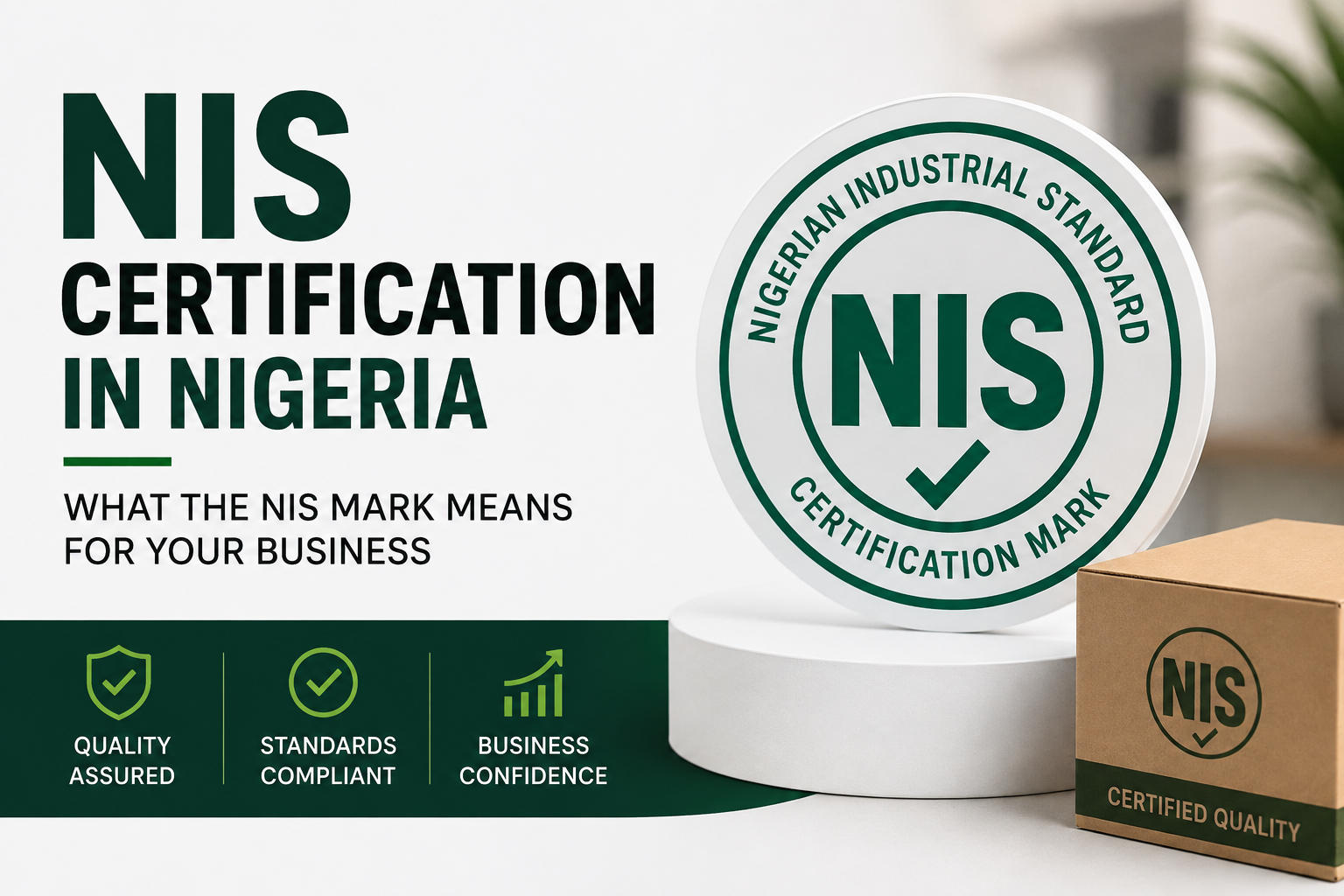
In Nigeria, SON operates both mandatory and voluntary product certification schemes, yet many manufacturers still confuse MANCAP with the NIS Certification Mark. SON says NIS
In Nigeria, SON operates both mandatory and voluntary product certification schemes, yet many manufacturers still confuse MANCAP with the NIS Certification Mark. SON says NIS
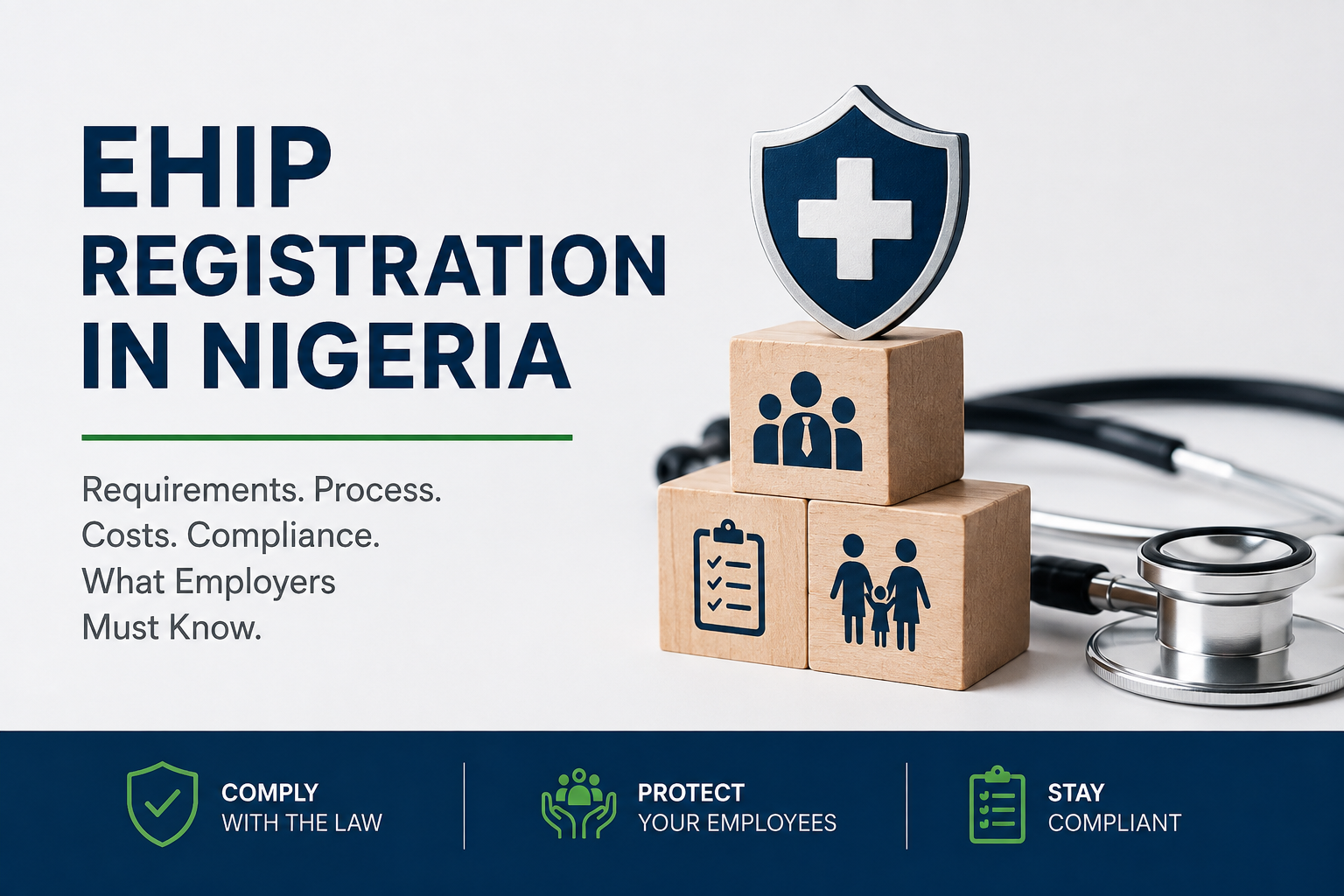
With Nigeria’s health insurance framework making coverage mandatory for employers and employees in private-sector organisations with five or more staff, EHIP registration is no longer
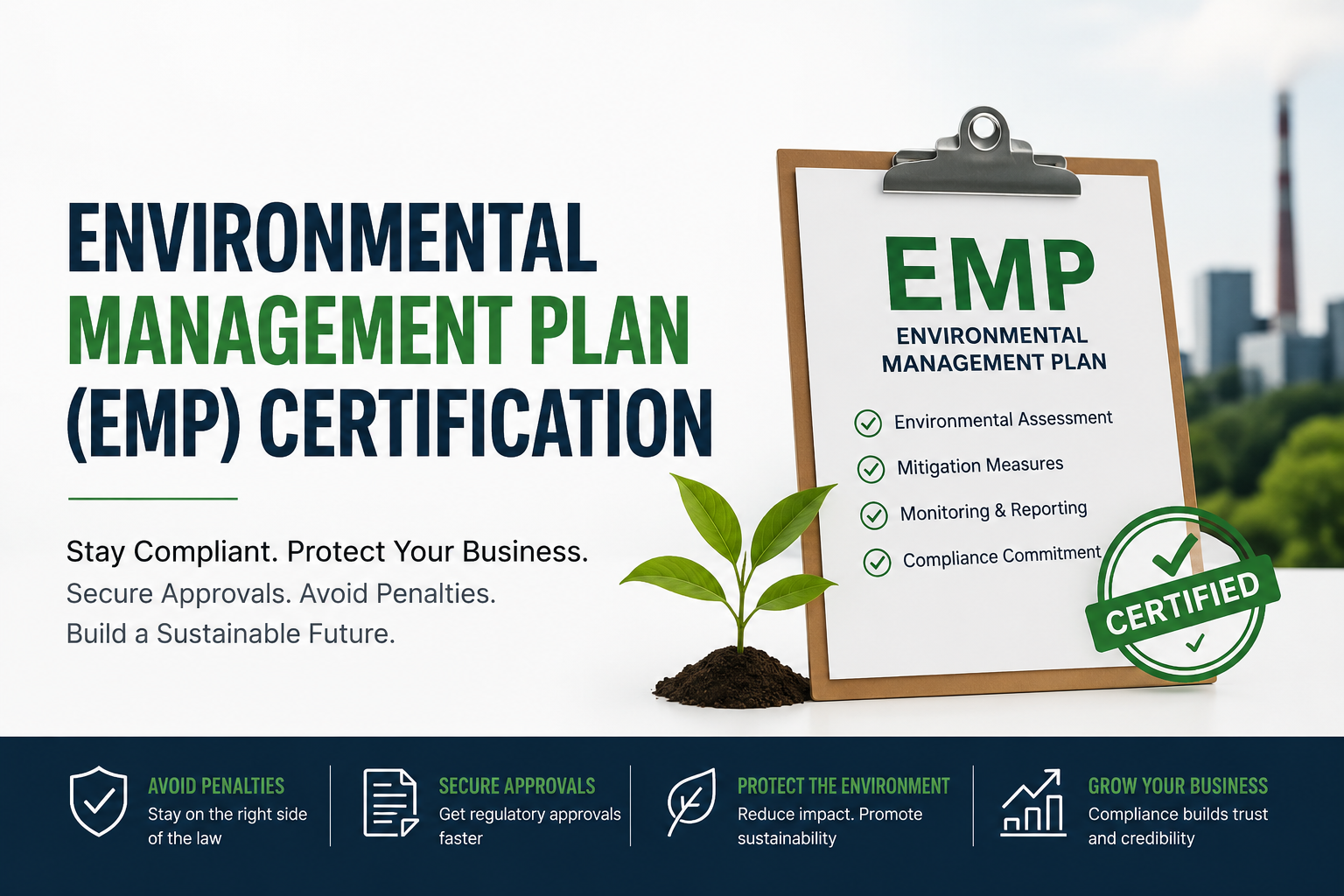
Did you know that environmental non-compliance can lead to project delays, regulatory sanctions, and even the suspension of business operations in Nigeria? Yet, many companies
Nigeria has over 800 approved tertiary institutions, yet many proposed polytechnics, monotechnics, Innovation Enterprise Institutions (IEIs), Vocational Enterprise Institutions (VEIs), and technical colleges never make
Every year, petroleum projects across Nigeria lose millions of naira to avoidable delays, stop-work orders, and regulatory sanctions because environmental compliance was treated as an
Every year, hundreds of oil spill incidents are reported across Nigeria’s petroleum industry, with many linked to equipment failure, operational lapses, vandalism and sabotage. Yet,
More than 70% of environmental reports submitted for regulatory approval require revisions or additional information before they are accepted, often resulting in costly delays, project
Nigeria handles over 80% of West Africa’s maritime trade, making marine fuel supply a highly lucrative business. Yet, many companies lose valuable bunkering contracts—not because
Every year, Nigerian companies invest millions pursuing opportunities in the oil and gas sector, only to discover that a missing regulatory approval has shut them
Nigeria’s offshore industry handles billions of dollars in oil, gas, shipping, and marine activities annually, yet a single environmental incident can trigger regulatory sanctions, operational
