
Introduction
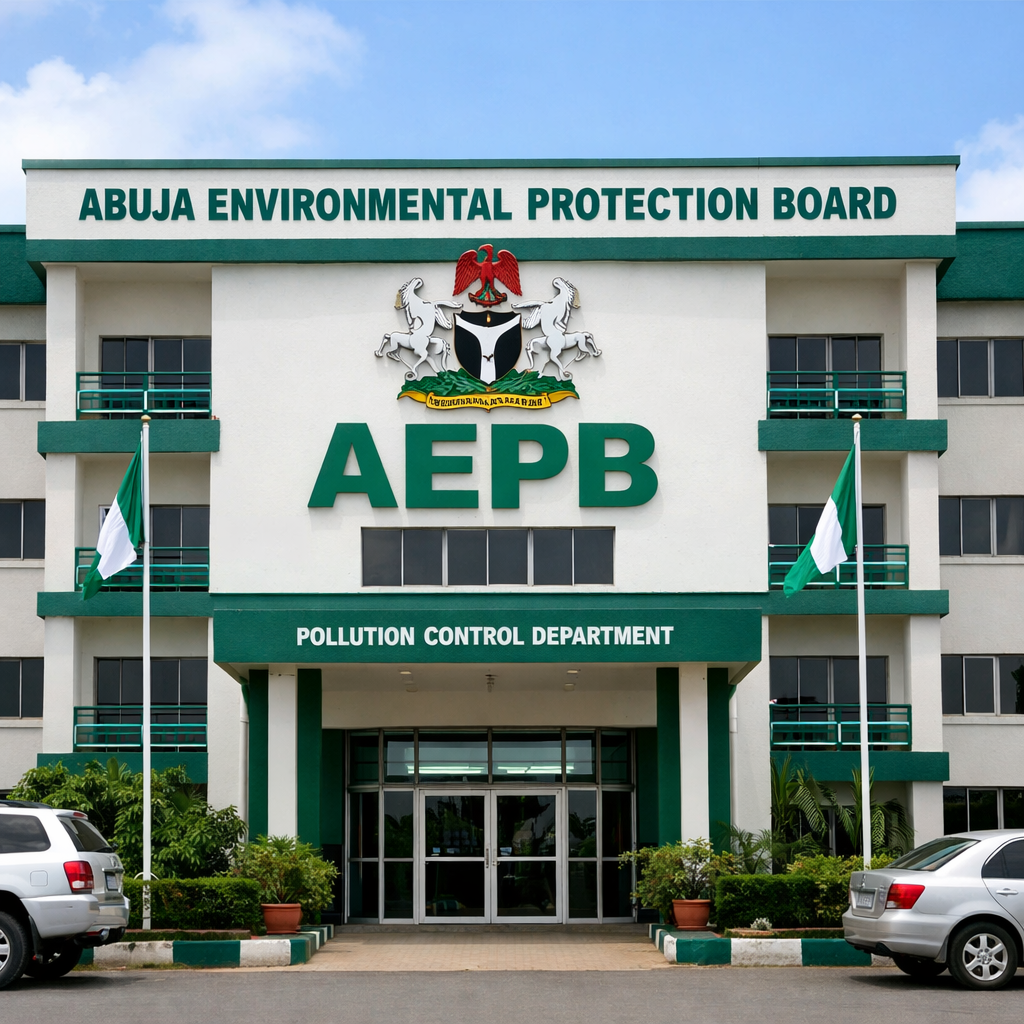
Environmental compliance is no longer optional in Nigeria, especially within the Federal Capital Territory (FCT), Abuja. Businesses, construction companies, industries, and even commercial premises are required to meet strict environmental standards enforced by the Abuja Environmental Protection Board (AEPB).
One of the most critical approvals under this regulatory framework is the AEPB Pollution Control Certificate. This certificate confirms that your operations comply with environmental standards related to waste management, emissions, sanitation, and pollution control.
Failure to obtain or renew this certificate can result in facility sealing, fines, or legal action, as AEPB actively enforces environmental laws in Abuja.
This comprehensive guide provides everything you need to know, from requirements and costs to step-by-step procedures, based strictly on official regulatory frameworks and government sources.
What is the AEPB Pollution Control Certificate?
The AEPB Pollution Control Certificate is an official environmental compliance document issued by AEPB to certify that a business or facility:
- Does not discharge harmful pollutants into the environment
- Maintains proper waste disposal systems
- Operates within approved environmental standards
- Complies with sanitation, sewage, and emissions regulations
AEPB is mandated to:
- Enforce environmental laws
- Regulate pollution and ecosystem impact
- Ensure air, water, and land protection in the FCT
Who Needs an AEPB Pollution Control Certificate?
You need this certificate if your operations involve:
1. Industrial & Manufacturing Activities
- Factories
- Processing plants
- Oil & gas support services
2. Construction & Real Estate
- Estates
- Building projects
- Infrastructure developments
3. Commercial Establishments
- Hotels
- Hospitals
- Restaurants
- Offices
4. Waste-Generating Facilities
- Markets
- Warehouses
- Hospitals
Essentially, any entity capable of generating environmental pollution must obtain this certificate.
Legal Framework Behind AEPB Certification
The AEPB operates under environmental laws guiding:
- Waste management
- Sewage disposal
- Air and noise pollution
- Environmental sanitation
Examples of enforceable obligations include:
- Prohibition of improper sewage discharge
- Mandatory waste disposal through approved systems
- Control of fumes and emissions
- Environmental sanitation compliance
Requirements for AEPB Pollution Control Certificate
Below is a comprehensive list of required documents and compliance conditions:
Corporate Requirements
| Requirement | Details |
|---|---|
| Certificate of Incorporation | Issued by CAC |
| Company Profile | Nature of business activities |
| Tax Identification Number (TIN) | For compliance |
| Means of Identification | Directors/representatives |
Environmental & Technical Requirements
| Requirement | Description |
|---|---|
| Environmental Management Plan (EMP) | Pollution mitigation strategy |
| Waste Management Plan | Disposal method (approved by AEPB) |
| Site Layout Plan | Showing drainage and waste systems |
| Environmental Impact Details | Description of operations |
| Effluent/Sewage System Design | Must meet AEPB standards |
Operational Requirements
| Requirement | Description |
|---|---|
| Approved Waste Bins | Must be procured from AEPB |
| Waste Disposal Contract | With approved vendors |
| Drainage Compliance | No blockage or illegal discharge |
| Sanitation Plan | Cleaning and maintenance schedule |
AEPB requires all businesses to:
- Use approved waste disposal systems
- Avoid illegal discharge into drains
- Maintain clean surroundings at all times
Step-by-Step Process to Obtain AEPB Pollution Control Certificate
Step 1: Initial Environmental Assessment
- Conduct internal review of operations
- Identify pollution risks
- Prepare environmental documentation
Step 2: Application Submission
Submit application to AEPB with:
- Company documents
- Environmental plans
- Site details
Step 3: Payment of Fees
- Pay prescribed inspection and certification fees
- Payment is typically processed via government channels
Step 4: Site Inspection by AEPB
AEPB officials will:
- Visit your facility
- Inspect waste management systems
- Evaluate environmental compliance
Step 5: Compliance Corrections (If Required)
If issues are identified:
- You will receive compliance directives
- You must fix all violations
Step 6: Approval & Issuance
- Certificate issued upon full compliance
- Valid for a specified period (usually annual renewal)
AEPB Pollution Control Certificate Costs (Estimated)
Note: AEPB fees vary depending on business size and risk category.
| Category | Estimated Cost Range (₦) |
|---|---|
| Small businesses | ₦50,000 – ₦150,000 |
| Medium-scale operations | ₦150,000 – ₦500,000 |
| Large industries/projects | ₦500,000 – ₦2,000,000+ |
Costs may include:
- Inspection fees
- Certification fees
- Environmental assessment charges
Timeline for Processing
| Stage | Duration |
|---|---|
| Application review | 3 – 7 days |
| Inspection scheduling | 1 – 2 weeks |
| Compliance corrections | Depends |
| Final approval | 1 – 3 weeks |
Total estimated timeline: 2 to 6 weeks
Common Reasons Applications Fail
1. Poor Waste Management Systems
- No approved disposal system
2. Illegal Sewage Discharge
- Discharging waste into drainage systems
3. Incomplete Documentation
- Missing environmental plans
4. Non-Compliance During Inspection
- Facility not meeting standards
5. Ignoring AEPB Notices
- Leads to sealing of premises
Renewal of AEPB Pollution Control Certificate
- Typically annual
- Requires:
- Updated compliance report
- Payment of renewal fees
- Possible re-inspection
Relationship with Other Environmental Approvals
You may also require:
1. Environmental Impact Assessment (EIA)
Issued by Federal Ministry of Environment
Application involves:
- Portal registration
- Payment via Remita
- Submission of environmental documentation
2. NESREA Compliance
From National Environmental Standards and Regulations Enforcement Agency
- Focuses on national environmental standards
Practical Compliance Tips
- Engage environmental consultants early
- Install proper drainage systems
- Maintain daily sanitation practices
- Keep records of waste disposal
- Train staff on environmental compliance
Frequently Asked Questions (FAQ)
1. Is AEPB Pollution Control Certificate mandatory?
Yes. Any business generating waste or emissions in Abuja must obtain it.
2. How long does it take?
Typically 2–6 weeks, depending on compliance level.
3. Can my business be sealed for non-compliance?
Yes. AEPB actively enforces regulations and seals violating premises.
4. Is it required for small businesses?
Yes. Even small businesses must comply with environmental standards.
5. What happens after inspection?
- If compliant → Certificate issued
- If not → You must correct issues
6. Is EIA the same as AEPB certificate?
No.
- EIA = Federal approval
- AEPB Certificate = FCT environmental compliance
7. How often is renewal required?
Usually annually
Common Misconceptions
“Only factories need it”
Wrong, even offices and restaurants require compliance
“It’s optional”
False, it is legally enforced
“Once obtained, no renewal needed”
Incorrect, must be renewed regularly
“Inspection is just paperwork”
Not true, physical inspection is mandatory
Why This Certificate is Critical
- Prevents legal sanctions
- Protects public health
- Enhances corporate credibility
- Required for permits and approvals
Conclusion
Obtaining an AEPB Pollution Control Certificate in Nigeria is a critical regulatory requirement for any business operating in Abuja. It ensures that your operations align with environmental standards and helps avoid penalties, shutdowns, or reputational damage.
The process; while technical, is straightforward when approached professionally:
- Prepare documentation
- Submit application
- Pass inspection
- Maintain compliance

